Antiviral medications are prescription drugs specifically designed to treat viral infections by targeting viruses rather than bacteria. Unlike antibiotics, which are effective against bacterial infections, antivirals work exclusively against viruses and cannot treat bacterial conditions. While antibiotics kill bacteria directly, antivirals typically slow down or stop viral reproduction, allowing your immune system to fight off the infection more effectively. It's crucial to understand this distinction to ensure proper treatment and avoid unnecessary antibiotic use.
Antivirals function by interfering with different stages of the viral life cycle within your body. They may block viruses from entering healthy cells, prevent viral genetic material from replicating, or stop newly formed viruses from being released to infect other cells. By disrupting these critical processes, antivirals reduce the viral load in your system, helping to shorten the duration and severity of symptoms while supporting your natural immune response.
Several viral infections benefit from antiviral therapy, particularly when diagnosed early. These include influenza (flu), COVID-19, herpes simplex virus (HSV), shingles (herpes zoster), respiratory syncytial virus (RSV) in high-risk patients, and certain cases of viral hepatitis. The effectiveness of antiviral treatment often depends on early initiation, typically within the first 48-72 hours of symptom onset.
Contact your healthcare provider if you experience severe viral symptoms, have underlying health conditions that increase your risk of complications, or belong to a high-risk group such as seniors, pregnant women, or immunocompromised individuals. Early consultation ensures timely diagnosis and appropriate antiviral treatment when beneficial.
Tamiflu (oseltamivir) and Relenza (zanamivir) are the primary antiviral medications available in Canada for treating influenza A and B. Both medications work by inhibiting neuraminidase, an enzyme that allows flu viruses to spread from infected cells. Tamiflu is available as oral capsules or liquid suspension, making it suitable for both adults and children, while Relenza is administered through inhalation. These antivirals are most effective when started within 48 hours of symptom onset and can reduce the duration of illness by approximately one to two days while potentially decreasing symptom severity.
Paxlovid (nirmatrelvir-ritonavir) is the primary oral antiviral treatment authorized by Health Canada for COVID-19 in high-risk patients. This medication works by blocking a key enzyme needed for viral replication and must be started within five days of symptom onset. Other authorized options include Veklury (remdesivir) for hospitalized patients and certain monoclonal antibody treatments. Healthcare providers determine the most appropriate treatment based on individual risk factors, symptom severity, and current health guidelines.
Respiratory syncytial virus (RSV) treatment in Canada focuses primarily on supportive care, with specific antiviral options reserved for high-risk populations. These include:
Palivizumab, a preventive monoclonal antibody, may be recommended for certain high-risk infants during RSV season.
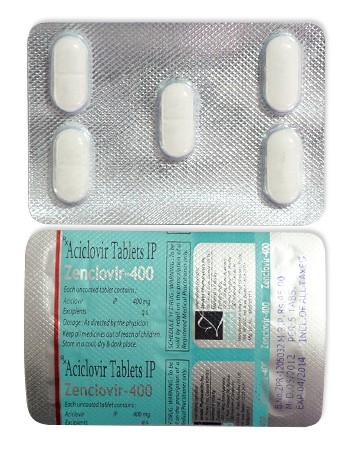
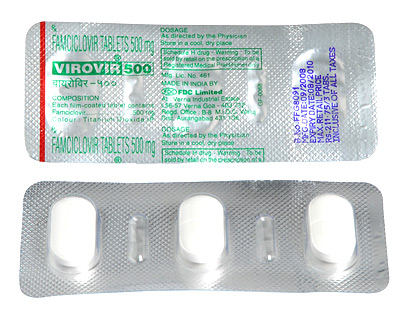
Effective oral antiviral medications available in Canada include Valtrex (valacyclovir), Famvir (famciclovir), and acyclovir. These prescription medications work by inhibiting viral replication and are most effective when started within 72 hours of symptom onset. Valacyclovir offers convenient dosing with better absorption, while famciclovir provides effective treatment for both initial and recurrent episodes. Acyclovir, the original medication in this class, remains a cost-effective option for managing herpes simplex virus infections. Treatment duration typically ranges from 5-10 days depending on the specific medication and severity of symptoms.
Topical antiviral creams such as acyclovir and penciclovir are available for cold sore treatment in Canada. While these over-the-counter and prescription options can reduce healing time by 1-2 days when applied early, they are generally less effective than oral medications. Docosanol (Abreva) is an over-the-counter option that can help shorten outbreak duration when used at the first sign of symptoms.
Suppressive therapy with daily antiviral medication significantly reduces outbreak frequency and transmission risk. Patients experiencing frequent recurrences may benefit from continuous treatment with valacyclovir or acyclovir. Additional prevention strategies include stress management, sun protection, and avoiding known triggers. Regular suppressive therapy can reduce transmission to partners by up to 50%.
During active outbreaks, avoid direct contact with affected areas and maintain good hygiene practices. Antiviral treatment should begin promptly for maximum effectiveness. Using barrier protection and avoiding intimate contact during symptomatic periods helps prevent transmission to partners.
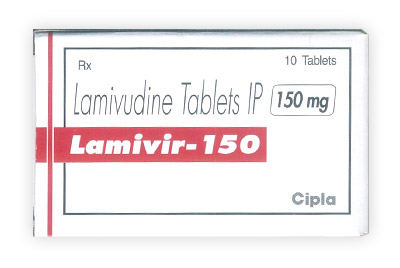
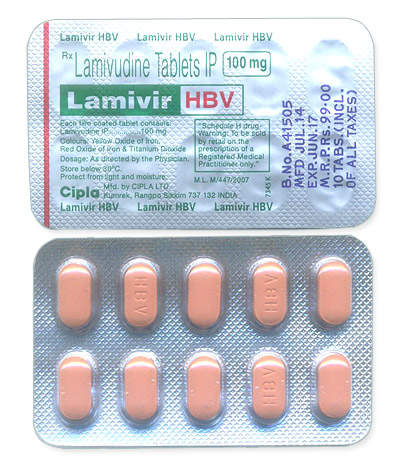
Health Canada has approved several effective treatments for chronic hepatitis B, including:
These medications effectively suppress viral replication and reduce liver damage progression. Treatment selection depends on patient factors, resistance patterns, and kidney function.
Modern hepatitis C treatments achieve cure rates exceeding 95% with direct-acting antivirals (DAAs). Sofosbuvir-based combinations, including Harvoni and Epclusa, are widely available in Canada through provincial drug plans. Treatment duration ranges from 8-12 weeks for most patients. These oral medications have revolutionized hepatitis C treatment with minimal side effects and excellent tolerability compared to previous interferon-based therapies.
Regular monitoring includes liver function tests, viral load measurements, and kidney function assessment. Patients require baseline testing before treatment initiation and periodic follow-up during therapy. Post-treatment surveillance ensures sustained virologic response and monitors for potential late complications or reinfection.
Today's HIV treatment has revolutionized patient outcomes through highly effective antiretroviral therapy (ART). Modern approaches typically involve combination therapies using three or more drugs from different classes, including nucleoside reverse transcriptase inhibitors (NRTIs), non-nucleoside reverse transcriptase inhibitors (NNRTIs), protease inhibitors, and integrase strand transfer inhibitors. These combinations work synergistically to suppress viral replication, maintain undetectable viral loads, and preserve immune function. Single-tablet regimens have greatly improved convenience and adherence, allowing many patients to manage their condition with just one pill daily.
Pre-exposure prophylaxis (PrEP) is available in Canada for individuals at high risk of HIV infection. Health Canada has approved daily oral PrEP medications that can reduce transmission risk by over 90% when taken consistently. Provincial coverage varies, with some provinces providing public funding through drug benefit programs. PrEP requires regular medical monitoring, including HIV testing, kidney function assessment, and sexually transmitted infection screening every three months.
Strict adherence to HIV medications is crucial for treatment success and preventing drug resistance. Missing doses can allow the virus to replicate and develop mutations that make treatments less effective. Regular monitoring includes viral load testing, CD4 cell counts, and screening for side effects. Your healthcare team will schedule routine follow-ups to ensure optimal treatment outcomes and adjust therapy as needed.
Antiviral medications can cause various side effects depending on the specific drug and individual patient factors. Common reactions include nausea, headaches, fatigue, and gastrointestinal upset. Some antivirals may cause more serious effects such as kidney dysfunction, liver toxicity, or changes in blood cell counts. Most side effects are mild and temporary, occurring during the initial treatment period as your body adjusts to the medication. Always report persistent or severe side effects to your healthcare provider promptly.
Antiviral medications can interact with numerous other drugs, including prescription medications, over-the-counter products, and herbal supplements. Some interactions may reduce antiviral effectiveness or increase toxicity risks. Certain medical conditions may contraindicate specific antivirals, such as severe kidney or liver disease. Always inform your pharmacist and healthcare providers about all medications and supplements you're taking to avoid potentially dangerous interactions and ensure safe, effective treatment.
Most antiviral medications should be stored at room temperature in their original containers, away from moisture, heat, and direct sunlight. Some formulations require refrigeration—follow label instructions carefully. Keep medications out of reach of children and never share prescriptions with others. Check expiration dates regularly and dispose of expired medications through pharmacy take-back programs.
Your pharmacist is a valuable partner in antiviral therapy management. They can provide essential services including:
Regular communication with your pharmacist helps ensure safe, effective treatment and addresses any concerns promptly.