
Fexofenadine
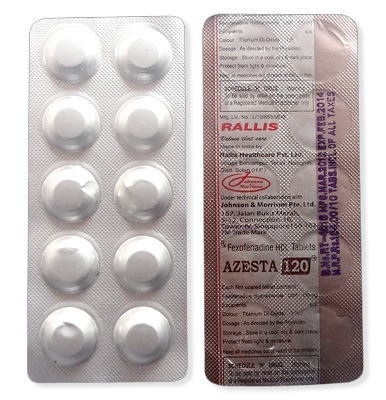
Fexofenadine
- In Canada, you can buy fexofenadine without a prescription, available in pharmacies and online.
- Fexofenadine is used for the treatment of seasonal allergic rhinitis and chronic urticaria. It is a second-generation, non-sedating oral antihistamine that works by blocking histamine receptors.
- The usual dosage of fexofenadine is 60 mg to 120 mg, taken once daily.
- The form of administration is a tablet.
- The effect of the medication begins within 1 hour.
- The duration of action is approximately 12 to 24 hours.
- It is advised to avoid alcohol when taking fexofenadine.
- The most common side effect is headache.
- Would you like to try fexofenadine without a prescription?
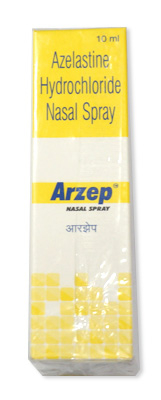

Basic Fexofenadine Information
- INN (International Nonproprietary Name): Fexofenadine
- Brand names available in Canada (English): Allegra, Apo-Fexofenadine
- ATC Code: R06AX26
- Forms & dosages: 60mg, 120mg, 180mg tablets
- Manufacturers in Canada: Sanofi, Dr Reddy's, Teva Pharma, Aurobindo
- Registration status in Canada: Approved for over-the-counter sale
- OTC / Rx classification: Over-the-counter
Major National Pharmacy Chains
Fexofenadine, marketed under brands like Allegra and Apo-Fexofenadine, is easily available at major pharmacy chains across Canada such as Shoppers Drug Mart, Rexall, and London Drugs. Patients can typically find various dosages—including 60mg, 120mg, and 180mg tablets—at these locations. However, availability may vary by province, so a quick check on local stock is recommended, particularly for those in rural areas.Online Pharmacy Trends in Canada
The trend of purchasing fexofenadine through online pharmacies has been increasingly embraced by Canadian consumers. Many provinces allow online prescriptions, though regulations can differ. Websites like Well.ca provide fexofenadine, offering a handy alternative for customers while ensuring compliance with provincial healthcare regulations. This shift to e-commerce reflects the growing demand for convenient access to allergy medications, particularly for those who prefer home delivery. By leveraging the internet, patients can bypass potential wait times at physical pharmacies, ensuring they get the relief they need as quickly as possible. It's crucial for consumers to verify that any online pharmacy is licensed and operating within legal parameters to guarantee safe purchasing. Given the rise in allergy symptoms during specific seasons, having both online and physical pharmacy options allows for flexible access to fexofenadine, accommodating varying patient needs and preferences. Overall, the accessibility of fexofenadine, whether through traditional pharmacy channels or online platforms, ensures that Canadians can find effective relief for their allergy symptoms with relative ease.Dosage & Administration
When it comes to finding the right dosage of fexofenadine, understanding the standards and adjustments specific to individual needs can make a significant difference in treatment outcomes. This non-sedating antihistamine is ideal for addressing allergy symptoms, but it's crucial to adhere to the guidelines to ensure safety and efficacy.
Standard regimens per Canadian guidelines
The recommended adult dosage for treating allergic rhinitis is often set at 120mg taken once daily. For chronic urticaria, a higher dosage of 180mg is advised, according to Health Canada guidelines. When it comes to pediatric use, dosing varies depending on age groups. Following these specific age-based recommendations ensures that children receive effective treatment without compromising their safety.
Adjustments by patient type (with Canadian clinical notes)
Some patients may require adjustments to their fexofenadine dosage. For instance, children aged 6 to 11 typically take 30mg twice daily. As for elderly patients, special care is necessary. Monitoring renal function is essential, especially since those with impaired renal function should not exceed 60mg daily. This precaution helps avoid potential adverse effects that could arise from over-medication.
Contraindications & Side Effects
Understanding contraindications and potential side effects can help patients navigate their treatment with fexofenadine safely. While most people tolerate this medication well, awareness of risks is crucial.
Common (Health Canada-approved list)
The most frequently reported side effects of fexofenadine include headache, nausea, and fatigue. These are generally mild and manageable. However, patients experiencing persistent or bothersome symptoms should reach out to their healthcare provider to discuss alternatives or possible solutions.
Rare but serious (with Canadian pharmacovigilance data)
Serious side effects are rare but can occur. Risks include hypersensitivity reactions and cardiovascular events like palpitations. Health professionals in Canada closely monitor these reactions through pharmacovigilance systems, ensuring ongoing safety and effectiveness of fexofenadine for users.
Comparable Medicines in Canada
For those considering alternatives to fexofenadine, a variety of other antihistamines are available in Canada. Exploring these options can help find the best fit for individual health needs.
Alternatives table (with DIN references)
| Medication Name | Active Ingredient | DIN |
|---|---|---|
| Loratadine | Loratadine | [DIN#] |
| Cetirizine | Cetirizine | [DIN#] |
| Desloratadine | Desloratadine | [DIN#] |
| Levocetirizine | Levocetirizine | [DIN#] |
This table provides a quick comparison of fexofenadine with other popular antihistamines available in the Canadian market, highlighting their active ingredients and respective DIN references.
Pros and cons list
Pros:
- Non-sedating formulation.
- Long duration of action.
Cons:
- Mild side effects possible.
- Requires regular dosing for optimal effect.
Current Research & Trends
Keeping up with current research can deepen understanding of how fexofenadine fits into modern allergy treatment protocols and what new developments are on the horizon.
Major Canadian or international studies 2022–2025
Ongoing studies are examining the efficacy of fexofenadine in managing complex allergic conditions. Recent research underscores its favourable safety profile and effectiveness across various patient demographics. This reinforces its status as a go-to option in allergy management protocols.
Emerging therapies and market outlook
Innovative delivery methods, like extended-release formulations, are being explored to enhance the overall effectiveness of fexofenadine. Alongside this, combinations with other therapeutic agents are under investigation to address multifaceted allergy issues. The market outlook appears positive, particularly as allergies are becoming increasingly prevalent in Canada.
Common Patient Questions in Canada
As fexofenadine continues to be a go-to treatment, many Canadians seek answers to common questions that arise during their treatment.
Common Patient Questions in Canada
Frequently asked questions involve potential interactions with other medications, the safety of fexofenadine in special populations such as pregnant or breastfeeding women, and queries about its use for pets. Healthcare providers play a key role in guiding patients through these concerns and ensuring the safe use of fexofenadine tailored to individual health situations.
Regulatory Status
Fexofenadine, a popular antihistamine, plays a significant role in managing seasonal allergies and chronic urticaria. To ensure its safety and efficacy, it undergone a stringent regulatory process.
Health Canada approval process
Before fexofenadine hit pharmacy shelves in Canada, it went through a comprehensive evaluation by Health Canada. This process demands extensive clinical trials to demonstrate its safety and effectiveness. Key factors include validating that the benefits of fexofenadine are greater than the associated risks. This thorough review ensures that patients can rely on its intended use for allergy relief without compromising their health.
DIN number relevance
The Drug Identification Number (DIN) assigned to fexofenadine is crucial in Canada. It signifies that the medication is recognized by regulatory authorities and is subject to ongoing monitoring. Healthcare professionals and pharmacies rely on the DIN to ensure accurate tracking and management of prescriptions. This fosters responsibility in dispensing fexofenadine, making sure the medication is safely administered to patients.
Visual Recommendations
Visual aids are essential for comprehending medication details, especially for conditions like allergies. They can break down complex information, making it more accessible.
Infographic ideas for Canadian context
Infographics tailored to the Canadian landscape can significantly enhance patient understanding of fexofenadine. Suggestions include:
- Comparative charts against other antihistamines like cetirizine and loratadine.
- Clear presentations of its indications, side effects, and various dosages.
These visuals, displayed in clinics and pharmacies, can effectively educate patients on the benefits and risks associated with fexofenadine.
Patient-calendars for dosage tracking
To bolster treatment adherence, designing patient calendars is a practical approach. These calendars can assist individuals in tracking their daily fexofenadine doses, particularly during peak allergy seasons. They act as reminders, fostering consistent intake and enhancing the effectiveness of the treatment plan.
Buying & Storage Advice
When it comes to purchasing fexofenadine, consumers often weigh their options between in-store and online. Making informed choices ensures better value and compliance.
In-store vs. online Canadian purchase tips
For those sourcing fexofenadine, consider these tips:
- Check local pharmacies like Shoppers Drug Mart for competitive pricing.
- Explore reputable online pharmacies, where prices may vary.
- Look for pharmacy rewards programs that may provide additional savings.
It's always advisable to compare these avenues to secure both quality and cost-effectiveness in purchasing fexofenadine.
Proper storage with Canadian climate considerations
Fexofenadine should be stored at room temperature, ideally between 15-30°C, and away from moisture and direct sunlight. The Canadian climate presents challenges, especially during extreme cold or heat. Ensuring a consistent environment for storage will help maintain the medication's potency and effectiveness.
Guidelines for Proper Use
Adhering to proper use guidelines is vital for patients taking fexofenadine. Understanding these recommendations can enhance the overall treatment experience.
Canadian doctor/pharmacist advice style
Health professionals across Canada endorse the importance of following prescribed dosages carefully. Patients should resist the urge to double-up on doses if a dose is missed. Consulting a doctor or pharmacist for any concerns about potential interactions with other medications is strongly advised. This measured approach ensures safer use of fexofenadine.
Self-monitoring and when to seek medical advice
Patients are encouraged to monitor their responses to fexofenadine. If side effects occur or symptoms persist, seeking immediate medical advice is crucial. Open communication with healthcare providers can significantly improve the treatment experience and paving the way for timely interventions.
Delivery Information Table
| City | Region | Delivery time |
|---|---|---|
| Toronto | Ontario | 5–7 days |
| Vancouver | British Columbia | 5–7 days |
| Montreal | Quebec | 5–7 days |
| Calgary | Alberta | 5–7 days |
| Ottawa | Ontario | 5–7 days |
| Edmonton | Alberta | 5–7 days |
| Winnipeg | Manitoba | 5–9 days |
| Halifax | Nova Scotia | 5–9 days |
| Victoria | British Columbia | 5–9 days |
| Quebec City | Quebec | 5–9 days |
| Regina | Saskatchewan | 5–9 days |
| Saskatoon | Saskatchewan | 5–9 days |